Tokayev warns against the militarization of the Caspian Sea
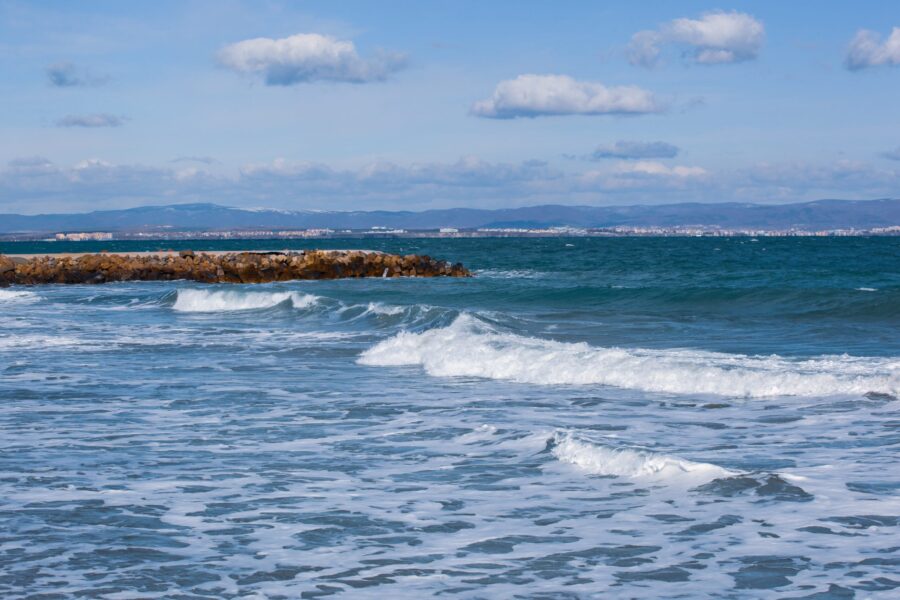
Kazakh President Kassym-Jomart Tokayev has called on the countries bordering the Caspian Sea not to use the inland sea for military purposes. The appeal was made on April 22 at the 2026 Regional Eco-Summit in Astana, which Kazakhstan is hosting in partnership with the United Nations.
Tokayev did not name any specific countries in his statement. However, his message was clear: the Caspian Sea must not become a theater of military activity. In his view, not only is the region’s security at stake, but also a delicate ecological balance.
As reported by Azattyq Asia, Tokayev highlighted the Caspian Sea’s special importance for biodiversity and environmental stability in the region. “The deployment of military forces near the Caspian Sea cannot be tolerated. It must be strictly prohibited,” he said.
A Sensitive Ecosystem Under Growing Pressure
The Caspian Sea is shared by five countries: Russia, Kazakhstan, Iran, Azerbaijan, and Turkmenistan. All five countries have signed the Convention on the Legal Status of the Caspian Sea. This stipulates that the waters are to be used exclusively for peaceful purposes and developed as an area of cooperation.
Tokayev’s initiative thus builds on existing principles of international law. At the same time, it brings to the forefront an issue that is becoming increasingly important from Kazakhstan’s perspective: the protection of an already stressed ecosystem.
For years, Kazakhstan has been particularly committed to addressing the issue of how to counter the declining water level of the Caspian Sea and its ecological consequences. Against this backdrop, any additional strain on the region takes on particular significance.
Environmental Policy as a Regional Security Issue
At the summit, Tokayev spoke not only about the Caspian Sea but also about the ecological challenges facing Central Asia as a whole. He cited water scarcity, desertification, glacial melt, air pollution, and the looming loss of biodiversity as key risks for the region.
His key message was that these problems cannot be viewed in isolation. The states of Central Asia and their neighbors share not only geographical spaces but also ecological vulnerabilities and thus a shared responsibility.
“Our countries live within a single ecosystem. Rivers and lakes, natural landscapes, and climate threats are common to us all. Above all, however, we bear equal responsibility,” Tokayev told the summit participants.
With this appeal, the Kazakh president links environmental and security policy. In this interpretation, the Caspian Sea appears not only as a geopolitically sensitive area but also as an ecological asset whose protection has become a shared regional responsibility.